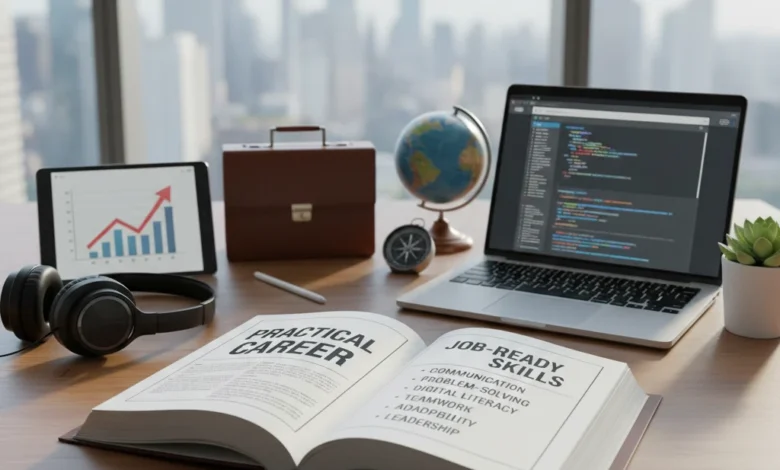
In 2025, becoming job-ready no longer requires years of traditional education. Many employers now prioritize practical skills, real-world experience, and the ability to deliver results immediately. With the rise of online learning, anyone can build job-ready skills from home and start a successful career.
This guide provides a clear step-by-step roadmap to help you become job-ready using online skills, even if you are starting from zero.
What Does It Mean to Be Job-Ready?
Being job-ready means having the knowledge, skills, and confidence to perform tasks required by employers from day one.
Key Characteristics of Job-Ready Candidates
Practical Skills
Ability to perform real tasks.
Problem-Solving Ability
Finding solutions to workplace challenges.
Communication Skills
Working effectively with teams and clients.
Professional Attitude
Reliability and responsibility at work.
Many modern learning platforms focus on career readiness programs that combine skill development, projects, and job preparation.
Why Online Skills Are the Fastest Path to Employment
Online learning has become the preferred method for acquiring job-ready skills because it is flexible, affordable, and focused on real-world results.
Benefits of Learning Skills Online
Faster Learning
Most skills can be learned within months.
Flexible Schedule
Learn anytime from home.
Industry-Relevant Training
Courses designed for current job market needs.
Remote Work Opportunities
Access global job opportunities.
Businesses across industries rely heavily on digital professionals. For example, travel and adventure platforms like
skydiveguides.com depend on skilled web developers and marketers to promote skydiving, parachute experiences, and adventure travel services to customers worldwide.
Step-by-Step Roadmap to Become Job-Ready
Follow this structured roadmap to transition from beginner to professional.
Step 1: Choose a Career-Focused Skill
Selecting the right skill is the foundation of your career journey.
High-Demand Skills to Consider
Digital Marketing
Growing demand across industries.
Web Development
Essential for online businesses.
Graphic Design
Important for branding and marketing.
Search Engine Optimization (SEO)
Critical for online visibility.
Video Editing
High demand in content creation.
Choosing a skill aligned with market demand increases your chances of getting hired faster.
Step 2: Enroll in a Structured Skill Course
A structured course provides guidance, learning materials, and practical assignments.
What to Look for in a Course
Beginner-Friendly Curriculum
Easy-to-understand lessons.
Hands-On Projects
Real-world practice.
Certifications
Proof of skill completion.
Career Support
Resume and interview preparation.
Enrolling in a professional training program helps learners gain job-ready skills faster and with confidence.
Step 3: Build Practical Experience Through Projects
Practical experience is more valuable than theoretical knowledge.
Examples of Beginner Projects
Create a Website
Demonstrate web development skills.
Design Social Media Posts
Show graphic design ability.
Optimize a Blog
Practice SEO techniques.
Edit a Video
Display video editing skills.
For instance, content-driven websites like
scoobadiveguide.com use engaging visuals and optimized content to promote scuba diving and adventure travel experiences, highlighting the importance of practical digital skills.
Step 4: Develop a Professional Portfolio
A portfolio is your proof of capability. Employers want to see real examples of your work.
What to Include in Your Portfolio
Project Samples
Show completed work.
Skills List
Mention tools and technologies.
Certifications
Add course completion certificates.
Contact Details
Provide professional contact information.
A strong portfolio significantly increases your chances of getting hired.
Step 5: Learn Communication and Workplace Skills
Technical skills alone are not enough. Employers also value soft skills.
Essential Workplace Skills
Communication
Clear and professional interaction.
Time Management
Meeting deadlines consistently.
Teamwork
Collaborating with colleagues.
Adaptability
Learning new tools quickly.
These skills improve job performance and career growth.
Step 6: Prepare a Professional Resume
Your resume is the first impression you make on employers.
Tips for Writing a Strong Resume
Highlight Your Skills
Focus on practical abilities.
Mention Projects
Show real-world experience.
Include Certifications
Demonstrate credibility.
Keep It Simple
Use clear and professional formatting.
A well-written resume increases interview opportunities.
Step 7: Apply for Entry-Level Jobs or Freelance Work
Once you have basic skills and projects, start applying for opportunities.
Job Opportunities to Explore
Internship Positions
Gain industry experience.
Entry-Level Jobs
Start your career journey.
Freelancing Projects
Work independently.
Remote Jobs
Work from home.
Many businesses rely on local SEO services to attract customers in specific locations. Companies help organizations improve search visibility and generate leads, creating job opportunities for skilled SEO professionals.
How Long Does It Take to Become Job-Ready?
Learning speed depends on dedication, practice, and consistency.
Average Timeline
Beginner Level
1 to 3 months
Intermediate Level
3 to 6 months
Job-Ready Level
6 to 12 months
Daily practice and project-based learning can significantly reduce this timeline.
Industries Hiring Skilled Professionals in 2025
Several industries are actively hiring candidates with practical skills.
Fast-Growing Industries
Technology
Software and IT services.
Education
Online learning platforms.
Healthcare
Digital health services.
Travel and Tourism
Adventure and experience-based services.
Health and Wellness
Fitness and lifestyle programs.
For example, wellness platforms such as
yogasniff.com provide online content related to yoga and stretching, demonstrating how digital skills support modern health and fitness businesses.
How Technology Is Accelerating Career Growth
Technology is transforming how people learn and work.
One of the biggest innovations is automated content creation AI, which allows professionals to produce high-quality content quickly and efficiently.
Using automated content creation AI is one of the smartest ways to save time and scale your content in 2025–2026. Modern tools can write blogs, generate ideas, and optimize content within minutes, helping businesses and creators stay consistent without extra effort.
You can also automate social media with AI to schedule posts, create captions, and maintain daily engagement across platforms automatically.
If you want a simple and reliable solution, try automated content creation AI
to streamline your content workflow and grow faster with less manual work.
Final Thoughts
Becoming job-ready in 2025 is achievable for anyone willing to learn and practice consistently. With the right skill, structured training, and real-world projects, you can build a successful career without traditional barriers.
Follow the roadmap, stay focused, and keep improving your skills — your career success is within reach.