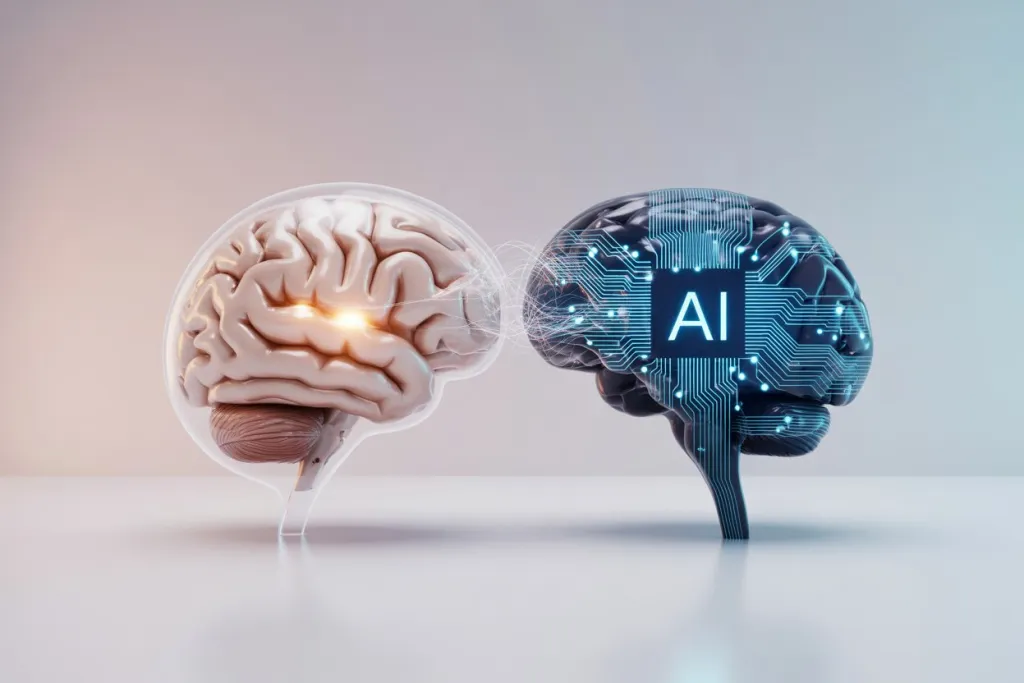
Artificial Intelligence (AI) is transforming industries, automating tasks, and changing the way people work. Many jobs are evolving, and some repetitive roles are being replaced by automation. However, not all skills can be replaced by machines. Certain human abilities — especially those involving creativity, emotional intelligence, and decision-making — will always remain valuable.
In 2025 and beyond, the smartest career strategy is not to compete with AI but to develop skills that work alongside it. This guide explains the skills that will never be replaced by AI, why they matter, and how you can build a future-proof career.
Why Some Skills Cannot Be Replaced by AI
AI is excellent at handling repetitive tasks and analyzing data, but it struggles with human emotions, creativity, and complex decision-making.
Limitations of AI
Lack of Emotional Intelligence
AI cannot truly understand human feelings.
Limited Creativity
AI generates ideas but lacks original imagination.
Ethical Decision-Making Challenges
AI cannot make moral judgments independently.
Human Interaction Needs
People prefer human communication.
Because of these limitations, human-centered skills will remain essential in every industry.
Top Skills That Will Never Be Replaced by AI
Below are the most important skills that will remain valuable even as technology advances.
Communication Skills
Communication is one of the most powerful human abilities. Whether in business, education, or healthcare, clear communication builds trust and collaboration.
Key Communication Skills
Public Speaking
Present ideas confidently.
Active Listening
Understand others effectively.
Negotiation
Resolve conflicts.
Written Communication
Share information clearly.
Businesses across industries rely on communication to connect with customers. For example, travel and adventure platforms
depend on customer interaction and service communication to manage bookings for skydiving and parachute experiences.
Strong communication skills are essential for leadership and teamwork.
Creativity and Innovation
Creativity allows humans to generate original ideas, design unique products, and solve complex problems.
Creative Skills
Graphic Design
Create visual content.
Content Creation
Develop engaging stories.
Product Development
Design new solutions.
Marketing Campaigns
Promote brands creatively.
Creative professionals will remain in demand because innovation drives business growth.
For example, travel platforms
rely on creative content and marketing to attract customers interested in scuba and adventure travel experiences.
Creativity keeps businesses competitive.
Critical Thinking and Problem-Solving
Critical thinking involves analyzing situations, evaluating options, and making informed decisions.
Problem-Solving Skills
Analytical Thinking
Understand complex issues.
Decision-Making
Choose the best solution.
Risk Assessment
Evaluate potential outcomes.
Strategic Planning
Develop long-term strategies.
Organizations depend on human judgment to handle unexpected challenges.
Emotional Intelligence
Emotional intelligence is the ability to understand and manage emotions — both your own and others’.
Emotional Intelligence Skills
Empathy
Understand others’ feelings.
Self-Awareness
Recognize emotions.
Relationship Management
Build strong connections.
Conflict Resolution
Handle disagreements.
Emotional intelligence improves teamwork and leadership.
For example, wellness platforms provide guidance on yoga and stretching, helping individuals manage stress and improve emotional well-being.
Human empathy cannot be replaced by machines.
Leadership and Team Management
Leadership requires vision, motivation, and the ability to inspire others.
Leadership Skills
Decision-Making
Guide teams effectively.
Motivation
Encourage productivity.
Delegation
Assign responsibilities.
Conflict Management
Maintain harmony.
Leaders play a crucial role in organizational success.
Adaptability and Continuous Learning
The ability to adapt to change is one of the most important skills in a rapidly evolving world.
Adaptability Skills
Learning New Technologies
Stay updated.
Flexibility
Adjust to new situations.
Resilience
Handle challenges.
Growth Mindset
Embrace improvement.
Adaptable professionals remain relevant in changing job markets.
Human-Centered Careers That Will Remain in Demand
Certain professions rely heavily on human interaction and empathy.
Future-Proof Careers
Teachers and Educators
Guide students.
Healthcare Professionals
Care for patients.
Counselors and Therapists
Support mental health.
Managers and Leaders
Lead teams.
Creative Professionals
Design and innovate.
These roles require human understanding and judgment.
How to Build Skills That Work Alongside AI
Instead of fearing AI, focus on developing skills that complement technology.
Step-by-Step Plan
Step 1
Learn a technical skill.
Step 2
Develop communication skills.
Step 3
Practice problem-solving.
Step 4
Build emotional intelligence.
Step 5
Stay updated with technology.
Combining human skills with digital tools creates strong career opportunities.
Role of Digital Skills in the AI Era
Digital skills remain essential for working with modern technology.
Many businesses depend on local SEO services to improve online visibility and reach customers. Agencies
Combine technical knowledge and human expertise to deliver effective results.
This shows how human skills and technology work together.
How Technology Can Support Human Skills
Technology does not replace humans — it enhances productivity.
One of the most useful innovations today is automated content creation AI, which helps professionals generate ideas, manage content, and improve efficiency.
Using automated content creation AI is one of the smartest ways to save time and scale your content in 2025–2026. Modern tools can write blogs, generate ideas, and optimize content within minutes, helping businesses and creators stay consistent without extra effort.
You can also automate social media with AI to schedule posts, create captions, and maintain daily engagement across platforms automatically.
If you want a simple and reliable solution, try automated content creation AI
to streamline your content workflow and grow faster with less manual work.
Final Thoughts
AI will continue to transform industries, but human skills will always remain essential. Communication, creativity, emotional intelligence, and leadership are abilities that machines cannot replace.
Focus on building these future-proof skills while learning to work alongside technology. This balanced approach will help you succeed in the evolving world of work.